Food Safety Solutions Brampton
Your operation needs consistent cleaning schedules customized for specific risks, processing volumes, allergen management, and inspection schedules, including auditable records validating food safety measures, inspection compliance, and health department standards. The information following provide details about essential cleaning protocols.
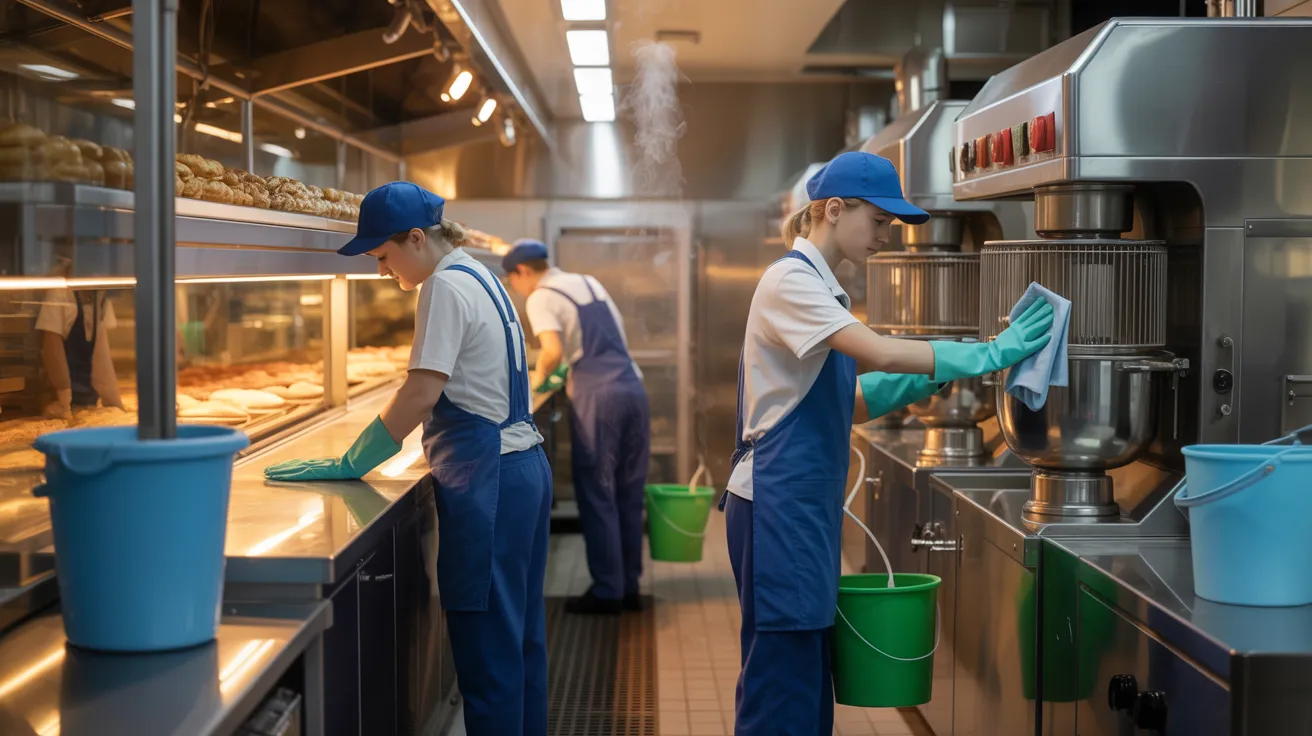
Important Highlights
- Brampton's food safety cleaning experts maintain restaurants, grocery departments, commissaries, warehouses, bakeries, schools, mobile vendors, and allergen-sensitive operations.
- High-touch surfaces, food-contact equipment, kitchens, floors, drains, restrooms, and storage areas are disinfected using compartmentalized approaches to reduce cross-contamination.
- Trained contractors confirm approved sanitizer dilution, compatibility, and exposure duration, then document completion with checks, audits, and correction logs.
- Threat, throughput, switches, releases, and requirements must direct hygiene timelines, with routine, weekly, and annual activities designated by location.
- Focus on providers demonstrating HACCP, health regulatory competency, WHMIS instruction, insurance, credentials, coded equipment, and audit-ready hygiene files.
Brampton Establishments That Need Food Safety Cleaning: Which Ones?
Brampton venues that process, store, prepare, package, or distribute food require hygiene cleaning. Implement it if your establishment is subject to health reviews, food regulations, or HACCP protocols. The requirement covers food venues, break rooms, supply centers, retail departments, butcheries, seafood areas, stores, and facility food prep.
Proper hygiene protocols proves needed in supply warehouses, processing plants, freezer locations, commercial bakeries, school food programs, reception facilities, and food delivery centers. Temporary mobile establishments count too, including mobile kitchens, market vendors, and seasonal booths. Your venue needs documented cleaning protocols when your workers handle raw materials, divide prepared dishes, warm meals, or keep allergens stored. In Brampton, cleanliness stays discretionary; it constitutes regulatory, business, and safety compliance.
What Do Brampton Cleaning Experts Clean?
You need cleaning experts who disinfect frequently contacted areas, kitchen areas, floor surfaces, and restrooms to meet food safety and public health standards. They focus on these spaces because they present the highest risk for cross-contamination, slipping risks, and sanitation breaches.
By knowing exactly what gets cleaned, you are able to confirm your operation's sanitation protocols satisfy all operational and regulatory requirements.
Key High-Touch Surface Disinfection
arrange disinfection frequency determined by traffic, contamination risk, and operational use.
swapping cleaning materials frequently, maintaining unidirectional processes, and dividing sanitization equipment by location. Such practices ensure your disinfection system measurable, documented, and audit-prepared always.
Cooking Zones, Walking Surfaces, and Restroom Environments
Brampton cleaning services focus on kitchens, floors, and restrooms as each zone presents different food safety, accident, and public health concerns. In industrial kitchens, you need grease removal from cooking stations, appliance surfaces, drain systems, preparation areas, and backsplashes to minimize bacterial growth and pest activity.
You should also expect documented floor care. is likewise provided as part of the service.
Restroom cleaning requires disinfecting touch areas, bathroom equipment, stall barriers, supply stations, and bins, replacing items and managing smells. They also maintain restaurant cleaning supply rooms where product storage, sink cleanliness, and drain systems impact daily sanitation standards and worker protection.
Why Food Safety Cleaning Matters in Brampton
To adhere to regulatory mandates and pass inspections, Brampton establishments must follow appropriate cleaning protocols. You also reduce cross-contamination by cleaning and sanitizing food-contact surfaces, equipment, and high-touch areas correctly. Most importantly, you help protect community wellness by reducing the chance of food poisoning in your establishment.
Food Safety Regulations
Since Brampton food businesses must follow stringent health requirements, your hygiene maintenance directly determines your ability to meet health codes, ensure the safety of diners, and avoid regulatory penalties. You must maintain sanitary food-contact surfaces, recorded sanitation plans, appropriate product handling, and documented employee protocols that align with municipal and provincial inspection expectations.
Robust cleaning records enable you to prove due diligence during inspection audits and show your procedures remain consistent, reproducible, and monitored. Strong cleaning protocols moreover enables cross-contamination prevention by reducing residue on mutual appliances and commonly contacted zones.
Cross-Contamination Prevention
Following health code standards depends on your skill in stopping cross-contamination in daily food handling and cleaning. You should isolate raw items from prepared foods, disinfect work areas after use, and store chemicals away from food-contact items. Well-defined guidelines decrease contamination chances and support consistent compliance during inspections.
You might establish allergen separation to stop main allergens from reaching shared surfaces, containers, or equipment. Apply separate boards, color-marked equipment, and strict utensil labeling so team members avoid blending products throughout cooking or delivery. Enforce washing hands following raw meat, seafood, eggs, or allergen-containing products. Change wiping cloths regularly, and test disinfectant concentration using strips. When employees learn these procedures each shift, you develop a more sanitary, secure business that matches Brampton's safety requirements daily.
Public Health Protection
When food safety cleaning fails, you don't just risk a failed inspection—you increase the chance of food-related sickness affecting customers, staff, and the wider Brampton community. You also undermine your responsibility in safeguarding community wellness, especially in busy food facilities where contamination can spread quickly through surfaces, equipment, and touchpoints.
You require cleaning procedures that remove contaminants, disinfect correctly, and confirm effectiveness. This requires following exposure times, utilizing approved disinfectants, logging schedules, and instructing staff to meet regulatory standards. These controls promote disease prevention by decreasing microbes before reaching food or hands. Across Brampton, strong cleaning protects at-risk populations, limits outbreak risk, and shows your diligence. When you maintain proper protocols, you go beyond requirements—you meaningfully reduce risk and facilitate secure food handling city-wide.
Why Is Cleaning Essential for Food Safety Compliance?
Adopting rigorous cleaning routines underpins food safety compliance by minimizing contamination hazards, controlling pathogen growth, and maintaining your facility's adherence to sanitation requirements under HACCP-based programs and public health regulations. You ensure that food-handling surfaces stay visibly clean and microbiologically controlled, facilitating documented preventive controls and inspection readiness.
Cleaning strategies additionally amplify allergen prevention by extracting residues that can trigger undeclared allergen exposure.
Establishing When to Plan Commercial Cleaning
everyday routine cleaning
facility shutdowns, seasonal soil accumulation, or times of elevated pest activity. When your facility conducts promotions, catering, or public functions, plan cleaning right before and following for optimal event turnaround
What Should You Look For in Brampton Cleaning Experts?
Screen providers initially by their food-safe sanitation requirements—not budget alone. You need to confirm that every company meets CFIA, public health, and HACCP standards for your operation. Demand insurance verification, WHMIS compliance, training records, and management systems. Evaluate technician understanding of contamination dangers, chemical safety, and documented sanitation practices.
Additionally, you need to evaluate service dependability and accountability. Obtain references from Brampton food operations, then review response times, corrective-action procedures, explore now and communication standards. Verify the company conducts supplier reviews and can deliver inspection-ready documentation when inspectors or external parties need proof. Verify equipment upkeep, color-coded equipment are applied correctly, and location-specific dangers are identified. A qualified provider ensures compliance, product integrity, and your brand reputation.
What's covered in a Food Safety Cleaning Plan?
Create a documented strategy that makes clear every sanitation task, standard, and responsibility prior to production start. You should detail cleaning schedules, authorized chemicals, concentration levels, contact duration, implements, and validation techniques for each zone, surface, and piece of equipment. Include pre-operational inspections, corrective actions, and employee training requirements.
Your strategy should also address contamination prevention controls, waste handling procedures, pest management measures, and written schedules for restrooms, drains, floors, and food-contact areas. Detail how you'll separate raw and ready-to-eat processes, support ingredient tracking, and ensure accurate allergen labeling through validated cleaning between product changes. You should assign accountability, keep signed records, and assess results against regulatory standards, HACCP controls, and customer requirements. When gaps appear, modify procedures immediately and instruct staff.
Regular Asked Questions
Are cleaning services offered for overnight shifts in Brampton properties?
If you run regulated facilities, you'll also require documentation that enable audits and maintain assurance.
Do Brampton cleaning experts offer emergency spill response solutions?
Yes, you can find many Brampton cleaning professionals offering emergency response services. They handle contamination, evaluate risks, contain affected areas, and execute rapid cleanup to reduce exposure and prevent disruption. You should confirm timeframes, certifications, protocols, and disposal methods. If your facility must meet standards, pick a provider that documents incidents, maintains standards, and ensures verification.
Are green disinfectants secure for food preparation areas?
Absolutely, natural disinfectants remain suitable for food-contact surfaces when you select disinfectants approved for food contact and regulatory compliant. You must check application timing, dilution ratios, and rinse requirements ahead of deployment. Plant based formulas minimize chemical hazards, though you should gather confirmation of performance against relevant pathogens. For maintaining residue free surfaces, implement manufacturer instructions exactly and confirm your disinfectant adheres to relevant food safety standards.
Do cleaning schedules permit seasonal shifts?
Absolutely, maintenance plans can be customized for seasonal production changes. Adapt schedules, personnel, cleaning agents, and verification steps to correspond to operational cycles while upholding regulatory requirements. Decrease production downtime through scheduling cleaning during changeovers, peak seasons, and usage patterns. Additionally update procedural documents, instruction programs, and environmental testing to reflect periodic risks, new allergens, or increased soil loads. Frequent reviews preserve the schedule functional.
Will commercial cleaners teach your staff on hygiene best practices?
Absolutely, commercial cleaners regularly deliver employee education on sanitation best practices. Your team receives instruction on proper chemical use, dwell times, cross-contamination prevention, machine takedown, and paperwork. They typically align instruction with HACCP, GMP, and CFIA or local public health requirements. Many conduct sanitation audits to verify compliance, pinpoint weaknesses, and strengthen corrective measures. This enables you to sustain consistent procedures, clear audits, and reduce food safety risks consistently.
Closing Remarks
Through engaging Brampton food safety and commercial cleaning specialists, you do far more than tidy—you ensure your facility for audits and your standards meet requirements. From kitchen spaces to processing areas, all maintained surfaces and kept corners reduce contamination risks and avoid major losses. Through scheduling maintenance at proper intervals and adhering to a comprehensive cleaning program, you ensure protection for your team, clients, and your good name. Within strict regulatory frameworks, clean conditions must be a priority—they are fundamental to success.